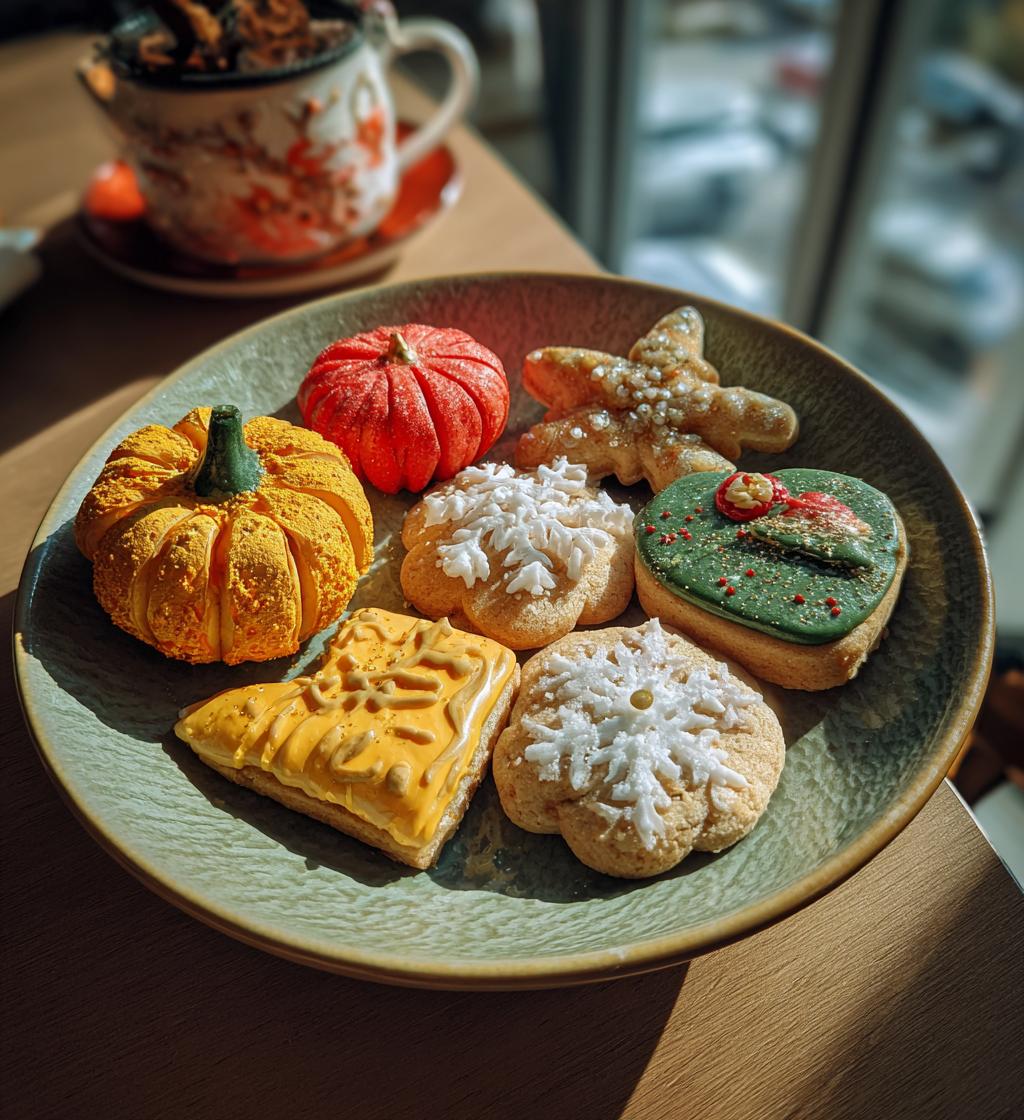
There’s something truly magical about food holidays, don’t you think? Each special day gives us a reason to gather around the table, share delicious meals, and create unforgettable memories with our loved ones. Whether it’s the festive spirit of Christmas feasts, the sweet treats of Valentine’s Day, or the spooky snacks of Halloween, these celebrations are all about connecting over food. And trust me, there’s no better way to strengthen bonds than by breaking bread together on these joyous occasions. So, let’s dive into the wonderful world of food holidays celebrated around the globe, and explore the traditional meals that make these days so special!
Ingredients List
When it comes to celebrating food holidays, each occasion has its own unique flavors and traditional dishes. Here’s a list of ingredients that you’ll want to have on hand for some of the most popular food holidays:
- January 1: New Year’s Day – Black-eyed peas, greens (like collard or kale), cornbread, and pork. These foods symbolize prosperity and good luck for the year ahead.
- February 14: Valentine’s Day – Heart-shaped pasta, chocolate (for desserts!), strawberries, and a selection of exquisite cheeses. A romantic dinner wouldn’t be complete without these sweet and savory delights.
- October 31: Halloween – Pumpkins (for carving and pie!), candy corn, and a variety of snacks like popcorn and spooky-themed cookies. Don’t forget the apple cider for a festive drink!
- December 25: Christmas – Roast turkey or ham, stuffing, cranberry sauce, and eggnog. These hearty dishes bring the warmth of the holiday season to your dining table.
Gathering these ingredients is just the first step in creating a memorable meal for your food holiday celebration. Each ingredient tells a story and adds to the joy of sharing these special moments with family and friends!
How to Prepare Instructions
Now that you’re excited about celebrating food holidays, let’s get into the nitty-gritty of how to prepare meals that will wow your family and friends! There’s a rhythm to this process, kind of like dancing your way through the kitchen. So, grab your apron and let’s get started!
Step 1: Identify the Food Holiday
Choosing which food holiday to celebrate is half the fun! Start by thinking about what resonates with you and your loved ones. Do you have a favorite memory tied to a specific holiday? Maybe you adore the coziness of Christmas or the excitement of Halloween? Each holiday has its significance and special flavors associated with it. Once you’ve picked one, you’ll feel the spark of inspiration ignite as you plan your delicious menu!
Step 2: Research Traditional Foods
Every food holiday comes with its own traditional foods, and this is where the magic happens! Research is key – you’ll want to dive into cookbooks, food blogs, or even ask family members for their favorite recipes. Traditional foods carry stories and customs that have been passed down through generations. You’ll find reliable sources by checking out culinary websites or even Pinterest boards dedicated to holiday meals. Trust me, the more you learn, the more meaningful your meal becomes!
Step 3: Plan Your Menu
Once you’ve gathered ideas about what to serve, it’s time to plan your menu! Think about how to incorporate those traditional foods while balancing flavors and textures. For example, if you’re making a hearty New Year’s Day feast, you might pair savory black-eyed peas with sweet cornbread. Also, consider any dietary restrictions your guests might have. Flexibility is key, so feel free to swap ingredients or add vegetarian options to ensure everyone can enjoy the celebration!
Step 4: Gather Ingredients
With your menu in place, it’s time to gather those ingredients! Make a shopping list based on your recipes. If you’re looking for fresh produce or specialty items, check out local farmers’ markets or stores that cater to your holiday’s traditional foods. And don’t forget – if you have any dietary adjustments to consider, like gluten-free or vegan swaps, make sure to jot those down. Sourcing the right ingredients will set you up for success!
Step 5: Prepare and Enjoy
The moment has finally arrived! Begin by prepping your ingredients: wash, chop, and measure everything out. This makes the cooking process smoother and more enjoyable. When it comes to cooking methods, don’t hesitate to use a combination of baking, sautéing, and slow-cooking to bring out the best flavors. And remember, presentation is key – arrange your dishes beautifully on the table. Finally, gather your loved ones, take a moment to appreciate the meal you’ve prepared, and enjoy every bite together. This is what food holidays are all about – connection and joy!
Nutritional Information Section
As we dive into the delicious world of food holidays, it’s also essential to consider the nutritional aspect of our festive feasts. Here’s an estimated breakdown of the nutritional data for a typical meal you’ll prepare during these celebrations, based on common ingredients used:
- Serving Size: 1 meal
- Calories: 500
- Fat: 20g
- Saturated Fat: 5g
- Unsaturated Fat: 15g
- Trans Fat: 0g
- Carbohydrates: 70g
- Fiber: 5g
- Protein: 15g
- Sugar: 10g
- Sodium: 300mg
- Cholesterol: 30mg
Keep in mind that these values are estimates and can vary based on the specific ingredients you choose. But knowing this information helps you enjoy your food holiday meals with a little more awareness. So, dig in and celebrate with all the flavors and joy these special occasions bring!
Tips for Success
Let’s make sure your food holiday meal preparation goes off without a hitch! With a little planning and organization, you can enjoy the process just as much as the delicious meal that follows. Here are some of my top tips for success:
Stay Organized with a Timeline
Creating a timeline can be a game-changer! Write down what you need to do each day leading up to your food holiday. For instance, if you’re celebrating Christmas, plan to shop for ingredients a few days in advance. On the day of the celebration, designate specific times for prepping, cooking, and setting the table. This way, you won’t feel rushed, and you’ll have time to enjoy the moments with your loved ones.
Prep Ahead of Time
Don’t underestimate the power of pre-prepping! Chop vegetables, marinate meats, or even bake desserts a day or two before the holiday. Store everything in airtight containers in the fridge, and you’ll feel like a superstar when it’s time to cook. It saves you stress and allows you to focus on the fun parts of the celebration, like decorating the table or catching up with family.
Involve Everyone
Cooking is so much more fun when you include family and friends! Get everyone involved in the process, whether it’s stirring the pot, setting the table, or even creating a signature holiday drink. I love making it a team effort, and it turns cooking into a joyful bonding activity. Plus, everyone feels more connected to the meal when they’ve had a hand in preparing it!
Keep the Kitchen Clean
Trust me, a clean kitchen makes for a happy cook! As you prepare your holiday feast, wash dishes and wipe down surfaces as you go. It keeps things organized and prevents that overwhelming pile-up of mess when you’re trying to enjoy your meal. Plus, you’ll be grateful for a tidy space after the festivities are over!
Embrace Flexibility
Sometimes, things don’t go exactly as planned – and that’s completely okay! If a recipe doesn’t turn out how you envisioned it or you can’t find a specific ingredient, don’t panic. Be open to improvising! Adjust flavors or substitute ingredients, and remember that the most important part is sharing the experience and joy of the meal, not perfection.
With these tips in your back pocket, you’re all set to create a memorable holiday meal that fills your heart – and your stomach! Remember, it’s all about love, laughter, and the delightful chaos that comes with cooking for those you cherish. Happy cooking!
Variations
One of the best parts about celebrating food holidays is the opportunity to get creative with your meals! Each holiday offers a canvas for you to paint with flavors, adapting dishes to suit your personal preferences or dietary needs. Here are some ideas to inspire your culinary adventures:
Creative Substitutions
If you or your guests have specific dietary restrictions, don’t worry! There are plenty of substitutions you can make without sacrificing flavor. For example, if you’re preparing a classic New Year’s Day meal and need to accommodate vegans, try substituting black-eyed peas with lentils or chickpeas. They provide a similar texture and protein boost!
Explore Regional Variations
Food holidays can vary widely across different cultures and regions. Why not explore those unique traditions? For instance, instead of a traditional Christmas roast, you could prepare a savory Italian Feast of the Seven Fishes. It’s a delightful way to celebrate while discovering new flavors and customs!
Experiment with Flavors
Don’t be afraid to mix things up when it comes to flavors! If you’re making a Valentine’s Day dinner, add a twist to the heart-shaped pasta by tossing it with a spicy arrabbiata sauce instead of the classic marinara. It’ll surprise your taste buds and make the evening even more memorable!
Incorporate Seasonal Ingredients
Seasonal ingredients can elevate your holiday meals and make them feel fresh. For example, during Halloween, you can roast butternut squash or sweet potatoes alongside your pumpkin dishes. It adds a vibrant color and depth of flavor that’s perfect for the season!
Personal Touches
Lastly, don’t hesitate to incorporate your family’s favorite recipes into the mix! If you have a beloved dish that isn’t traditionally associated with a holiday, find a way to blend it into your celebration. Maybe grandma’s famous apple pie is the perfect finish to your Thanksgiving feast, or a cherished family recipe for soup could be a comforting starter during Christmas.
Remember, food holidays are about joy, connection, and creativity. Let your imagination run wild, and make your celebration truly unique! The best meals come from the heart, so embrace your personal touch and have fun with it!
Why You’ll Love This Recipe
Celebrating food holidays isn’t just about the delicious dishes you’ll prepare; it’s about the incredible experiences that come along with them! Each holiday gives us a chance to create lasting memories with the people we love, and trust me, there’s nothing quite like the feeling of gathering around the table to share a meal. It’s a time to laugh, reminisce, and bond over those familiar flavors that bring us together.
One of my favorite things about these celebrations is the opportunity to explore different cuisines! Each food holiday is steeped in tradition, often drawing from diverse cultural backgrounds. When you dive into the traditional meals associated with these holidays, you’re not just cooking; you’re taking a delicious journey around the world. You might find yourself enjoying spicy Mexican tamales for Christmas or savoring sweet Italian pastries for Valentine’s Day. How amazing is that?
And let’s not forget the joy of passing down recipes and traditions to the next generation. I love sharing my family’s holiday meals with my kids, teaching them about the significance of each dish and the stories behind them. It’s a beautiful way to keep our heritage alive while also creating new memories together. You’ll find that every food holiday becomes a cherished moment, filled with laughter, stories, and, of course, plenty of good food.
So, whether you’re celebrating a well-known holiday or discovering a new one, know that each meal you prepare is a chance to connect, create, and commemorate the special moments in life. Let’s embrace the joy of food holidays and make every celebration a delicious adventure!
Storage & Reheating Instructions
After all the fun and laughter of your food holiday celebration, you might find yourself with some delicious leftovers. Don’t let them go to waste! Proper storage and reheating will ensure you get to enjoy those delightful flavors again. Here are my go-to tips for keeping your meals fresh and tasty:
Storing Leftovers
First things first, let your leftovers cool down to room temperature before packing them away. This helps prevent condensation in the containers, which can make things soggy. Use airtight containers to store your food – they’re perfect for keeping flavors locked in and preventing any unwanted odors from mingling in your fridge.
For most cooked dishes, I recommend using glass containers if you can. They’re microwave-safe, easy to clean, and don’t absorb odors. If you’re dealing with soups or stews, pour them into a container, leaving some space at the top for expansion when they freeze. Trust me, this little tip will save you from messy spills!
Reheating Your Meals
When it comes time to enjoy those leftovers, reheating them properly is key to retaining their original deliciousness. For most dishes, using the microwave is super convenient. Just pop your meal in a microwave-safe container, cover it loosely with a lid or a damp paper towel, and heat in short intervals, stirring in between. This ensures even heating without drying out the food.
If you have a larger portion or a casserole, the oven works wonders. Preheat your oven to around 350°F (175°C), cover the dish with foil to keep moisture in, and heat until warmed through. This usually takes about 20-30 minutes, depending on the size. And remember, if you’re reheating something that’s been frozen, allow it to thaw in the fridge overnight before reheating to ensure even cooking.
A Few Extra Tips
Don’t forget to always check for freshness before diving into your leftovers! If something doesn’t smell right or looks off, it’s better to err on the side of caution. Most cooked meals can be stored in the fridge for about 3-4 days, and if you need to keep them longer, freezing is your best bet. Just label your containers with dates so you know when to use them by.
With these storage and reheating tips, you can savor the delicious memories of your food holiday for days to come. Enjoy every last bite!
FAQ Section
Q1. What are some popular food holidays celebrated around the world?
There are so many food holidays to enjoy! Some of the most popular ones include New Year’s Day, where black-eyed peas are often served for luck; Valentine’s Day, celebrated with romantic dinners featuring heart-shaped treats; Halloween, known for its spooky snacks and candy; and Christmas, which typically features hearty meals like roast turkey or ham. Each of these holidays offers a unique opportunity to gather and celebrate with loved ones over delicious food!
Q2. How can I accommodate dietary restrictions when planning for food holidays?
Accommodating dietary restrictions is super important when planning your holiday meals! First, make sure to ask your guests about any allergies or preferences. Once you know, you can easily adapt your menu. For instance, if someone is vegan, you can substitute traditional dishes with plant-based alternatives. Incorporating a few vegetarian or gluten-free options into your meal can ensure everyone feels included in the celebration!
Q3. What are some traditional foods associated with specific holidays?
Traditional foods can vary widely depending on the holiday. For New Year’s Day, many enjoy black-eyed peas and greens for good luck. Valentine’s Day often features chocolate and strawberries, while Halloween is all about pumpkins and candy. Christmas dinners typically include roast meats and hearty sides. Exploring these traditional foods adds depth and meaning to your celebrations, making them even more special!
Q4. Can I create my own food holiday?
Absolutely! Creating your own food holiday can be a fun and meaningful way to celebrate something special in your life. Whether it’s a family tradition, an anniversary, or even a personal milestone, gather your favorite recipes and make a feast out of it. You can even choose a theme or specific cuisine to explore. The most important part is to gather with loved ones and enjoy the experience together!
Q5. How can I make meal prep easier during food holidays?
Meal prep can be a breeze with a little organization! Start by creating a timeline for what needs to be done leading up to the holiday. Consider prepping ingredients the day before, such as chopping veggies or marinating proteins. Involve family members in the process to make it more enjoyable and efficient. And don’t forget to keep your kitchen clean as you go – it really helps to maintain a calm atmosphere while cooking!
Food Holidays: 7 Joyful Ways to Celebrate Together
Learn about various food holidays celebrated around the world.
- Total Time: 1 hour 30 minutes
- Yield: 4 servings 1x
Ingredients
- January 1: New Year’s Day
- February 14: Valentine’s Day
- October 31: Halloween
- December 25: Christmas
Instructions
- Identify the food holiday you want to celebrate.
- Research traditional foods associated with that holiday.
- Plan a menu or meal around those foods.
- Gather ingredients needed for your recipes.
- Prepare and enjoy your meal with family or friends.
Notes
- Many holidays have regional variations.
- Check local customs for specific foods.
- Consider dietary restrictions when planning meals.
- Prep Time: 30 minutes
- Cook Time: 1 hour
- Category: Celebration
- Method: Cook and serve
- Cuisine: Various
- Diet: Vegetarian
Nutrition
- Serving Size: 1 meal
- Calories: 500
- Sugar: 10g
- Sodium: 300mg
- Fat: 20g
- Saturated Fat: 5g
- Unsaturated Fat: 15g
- Trans Fat: 0g
- Carbohydrates: 70g
- Fiber: 5g
- Protein: 15g
- Cholesterol: 30mg
Keywords: food holidays, celebration, traditional meals